 CARE ASSISTANT
 BG
BGOveractive Bladder (OAB)
Sudden urges that are hard to ignore, even when the bladder is not full.
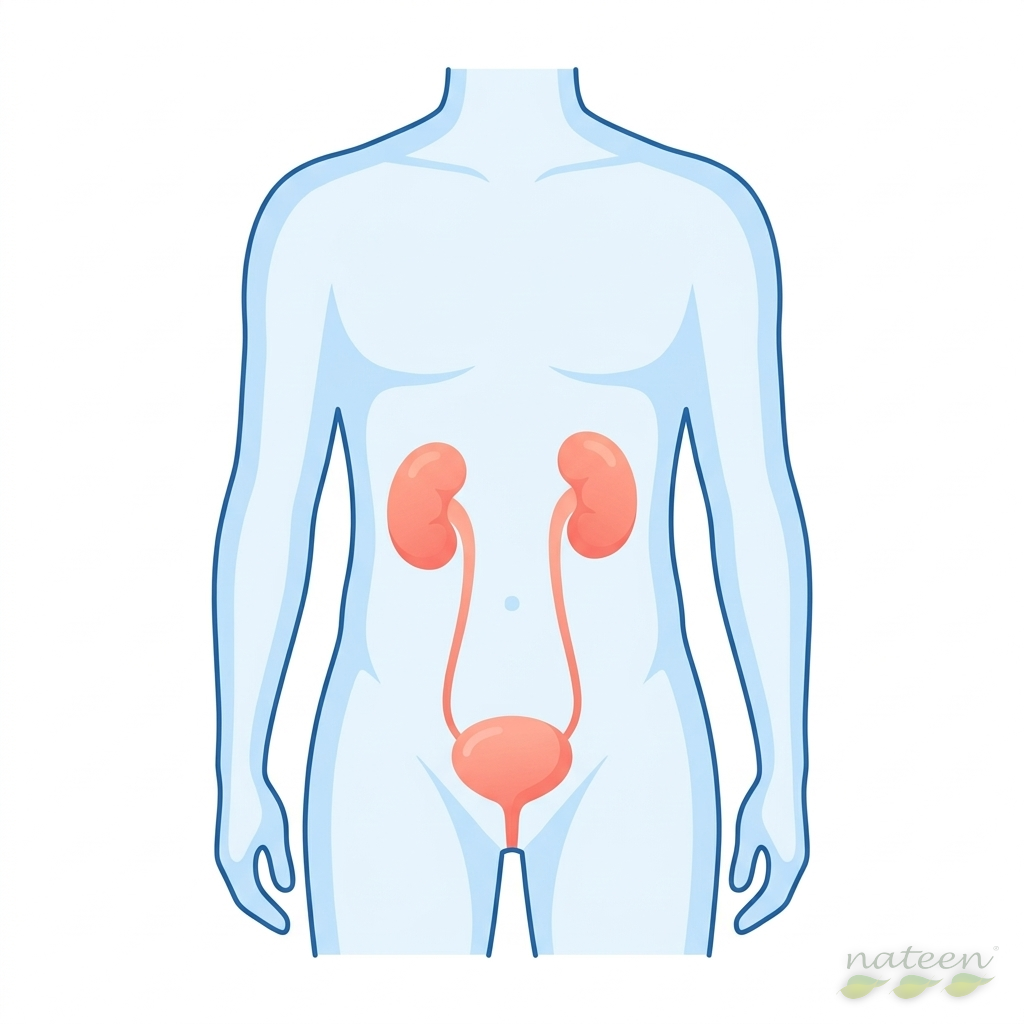
Overactive bladder occurs when the bladder muscle contracts without being asked to. It can be managed at any age and is not an inevitable part of ageing.
The signs: urgency (sudden need), frequency (more than seven times a day) and waking at night to urinate. Hidden factors can keep it going: concentrated urine from too little hydration, a quiet urinary infection, undiagnosed diabetes or a neurological condition.
More Informations
A bladder that contracts too early: pressing, frequent urges, sometimes leaks.
Definition
Overactive bladder shows as sudden, pressing urges to urinate, often frequent, day and night, with or without leaks. The bladder muscle contracts when the bladder is not full.
Causes
Causes are multiple: neurological condition, ageing of the bladder muscle, obstruction (prostate), or no identified cause. Caffeine, alcohol and constipation often worsen the symptoms.
Diagnosis
- Three-day voiding diary.
- Urine test to rule out infection.
- Ultrasound with post-void residual; urodynamic assessment as needed.
Treatments
First step: bladder training, pelvic floor physiotherapy and adjusting drinks. Then, if needed, medicines that calm the bladder. For resistant forms, botulinum toxin injections or neuromodulation. Each step is decided with the doctor.
With an overactive bladder, urge leaks can empty much of the bladder at once. Flexi Plus or Maxi absorbent underwear absorbs this volume quickly and neutralises odour, under normal clothes.
Educational content written for families and caregivers. It does not replace a consultation: a doctor, a continence nurse or a physiotherapist makes the diagnosis and chooses the treatment.